How to Invest During Market Volatility: Macro Risks, SIP Portfolios & Retirement Planning
Markets, Macro Events & Investor Decisions: Building the Right Investment Process
Global uncertainty, crude oil prices, US bond markets, gold, India's growth outlook, lump sum investing, retirement planning, mutual fund selection, portfolio diversification, international allocation, investor behavior, and why a disciplined investment process matters more than reacting to short-term market movements.
Markets Constantly Create Reasons to React. A Process Helps Investors Stay Disciplined.
Every market cycle brings new reasons for investors to change their decisions. Geopolitical tensions can impact crude oil prices. Interest rate expectations can influence bond yields and valuations. A strong rally in gold can make investors question their equity allocation.
The latest Friday Investment Satsang by Gaurav Jain from Yadnya Investment Academy discussed these developments along with practical investment questions from viewers.
While the discussion covered multiple topics, the underlying message remained consistent: investors cannot control every market movement, but they can control their investment process, asset allocation, and decision-making framework.
Geopolitical Tensions and Crude Oil: Understanding the Risk for India
The session began with the ongoing closure of the Strait of Hormuz and the absence of a new ceasefire agreement.
For India, crude oil remains an important macro variable because of the country's dependence on energy imports. Higher crude prices can influence inflation, currency movement, corporate profitability and overall investor sentiment.
However, the objective of investing is not to predict every geopolitical event correctly. A well-designed portfolio should be capable of handling uncertain situations without requiring frequent changes based on headlines.
US Bond Markets: Why Investors Should Watch Interest Rate Signals
The discussion also covered developments in the US Treasury market, including long-dated bond buybacks aimed at managing liquidity and stabilising yields.
Bond market movements are important because yields influence multiple asset classes, including equities, currencies and fixed income investments.
For long-term investors, understanding these developments helps provide context. However, every movement in bond yields does not necessarily require a portfolio change. The more important question is whether the overall financial plan remains suitable.
Gold: A Portfolio Asset, Not Just a Return Comparison
Gold has continued to perform strongly despite higher interest rates, supported by safe-haven demand amid global uncertainty.
The discussion highlighted that gold should not be judged only by comparing its returns with equity markets. Different assets serve different purposes within a portfolio.
Equity participates in long-term business growth. Debt provides stability and liquidity. Gold can improve portfolio resilience during periods of uncertainty.
The purpose of asset allocation is not to own only the best-performing asset, but to create a portfolio that can survive different market cycles.
India's Growth Outlook: Earnings and Capex Remain Key Drivers
The session also discussed the domestic outlook. Indian corporate earnings have broadly remained in line with expectations, while government focus continues on infrastructure development through railways, roads, and semiconductors.
Long-term investors should focus on structural growth drivers while avoiding excessive reactions to short-term market movements.
Viewer Q&A Highlights: Real Investor Questions and Practical Lessons
How Should Investors Invest ₹10 Lakh With a Moderate Risk Profile Over 5 Years?
The discussion focused on the importance of matching investments with the investor's time horizon and risk profile.
A five-year investment period requires careful consideration of asset allocation rather than simply investing the entire amount based on market expectations. The right approach depends on the investor's financial goals, ability to handle volatility, and the role this money plays in the overall portfolio.
Retirement Planning: Managing Corpus and Understanding IDCW Options
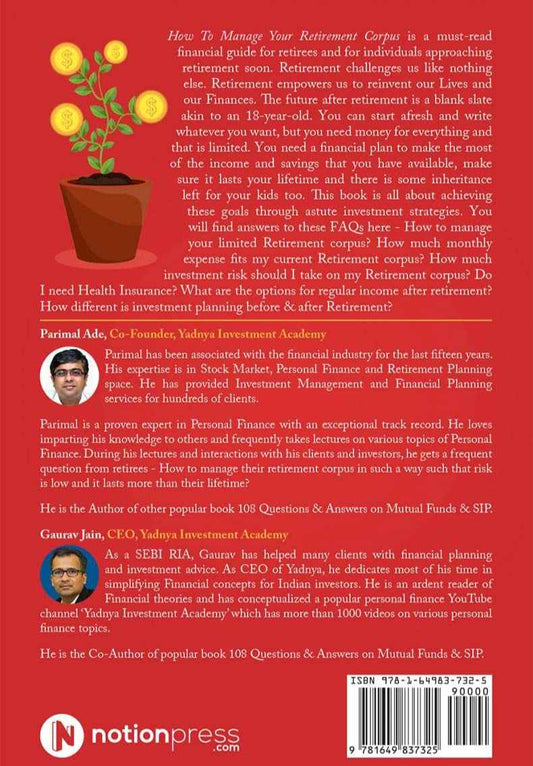
The discussion highlighted that retirement planning is not only about creating a large corpus but also about managing that corpus efficiently after retirement.
The session also covered why investors should understand the difference between receiving IDCW payouts and creating a structured withdrawal strategy. Retirement income planning should be linked to actual cash-flow requirements rather than depending only on distributions from investment products.
After ELSS Lock-in: Should Investors Switch to Flexi-Cap Funds?
The discussion covered investors considering switching from Axis ELSS after the completion of the mandatory lock-in period.
The key learning was that investment decisions should not be based only on the end of the lock-in period. Investors should evaluate the objective of the investment, portfolio suitability, and whether the chosen fund continues to fit within their overall asset allocation.
Portfolio Review: Is a ₹1 Lakh Monthly SIP Portfolio Properly Diversified?
The session addressed questions around diversification in a large SIP portfolio.
Diversification is not about owning a large number of funds. A portfolio can become unnecessarily complicated if investors keep adding products without understanding their role.
The focus should remain on asset allocation, overlap between investments, and whether each holding serves a clear purpose.
Should Investors Reduce a 30% Allocation to Nasdaq 100 Funds?
The discussion covered concerns around having a significant allocation towards Nasdaq 100 funds.
International allocation can provide diversification and access to global businesses. However, the right allocation depends on the investor's overall portfolio, risk appetite, and investment objective.
Global investing should be part of a planned allocation rather than a reaction to recent performance.
Parag Parikh Flexi Cap Fund Underperformance: Patience or Exit?
The discussion addressed concerns around the recent performance of the Parag Parikh Flexi Cap Fund.
The important question for investors is not only whether a fund has underperformed recently, but also whether the original investment philosophy, portfolio construction approach, and reason for owning the fund remain intact.
Temporary underperformance and permanent deterioration are different situations and should not result in the same decision.
Key Management Risk in Small-Cap Companies
The session also discussed concerns around key management personnel leaving small-cap companies.
Management quality is an important factor, particularly in smaller businesses where key individuals can have a significant impact on strategy, execution, and governance.
Investors should evaluate the strength of the organization, succession planning, and governance framework rather than focusing only on short-term business performance.
How Safe Are Mutual Funds? Understanding Investor Protection
The discussion addressed concerns around mutual fund safety and the risk of fraud.
Investors should understand that mutual funds operate within a regulated framework with defined roles for asset management companies, trustees, and other participants.
The focus should remain on understanding the product, selecting suitable investments, and maintaining proper financial discipline.
Should Employees Opt for Corporate NPS?
The session also covered questions around corporate NPS.
The suitability of such products depends on individual circumstances, including retirement goals, tax considerations, existing investments, and the investor's broader financial plan.
Retirement products should be evaluated based on their role in the overall retirement strategy rather than only individual features.
Krsnaa Diagnostics: Understanding Stock-Specific Discussions
The Q&A also included a discussion around Krsnaa Diagnostics results.
Stock-specific questions highlight the importance of evaluating business performance, growth expectations, and valuation together rather than focusing only on short-term result movements.
How Should Pensioners Plan Assets Against Inflation?
The discussion highlighted that inflation is one of the biggest risks for retired investors.
Pensioners need to balance stability and growth while ensuring that their assets continue to support future expenses.
A suitable asset allocation approach can help manage the challenge of maintaining purchasing power over long periods.
The Bigger Lesson: Investment Process Matters More Than Predictions
The session covered multiple topics ranging from global events and crude oil to mutual funds, retirement planning, and portfolio construction.
Despite the different questions, the common theme remained the same: successful investing is not about predicting every market movement correctly.
A strong investment process helps investors make decisions with clarity. Asset allocation, diversification, patience, and periodic review become even more important when markets create uncertainty.
The objective is not to find a perfect investment decision every time. It is to build a framework that helps investors stay invested and make rational decisions across different market cycles.
Editorial basis: Friday Investment Satsang featuring Gaurav Jain, based on the session themes and information provided. This article is intended for educational purposes only and should not be considered personalized investment advice.